30.09.2026
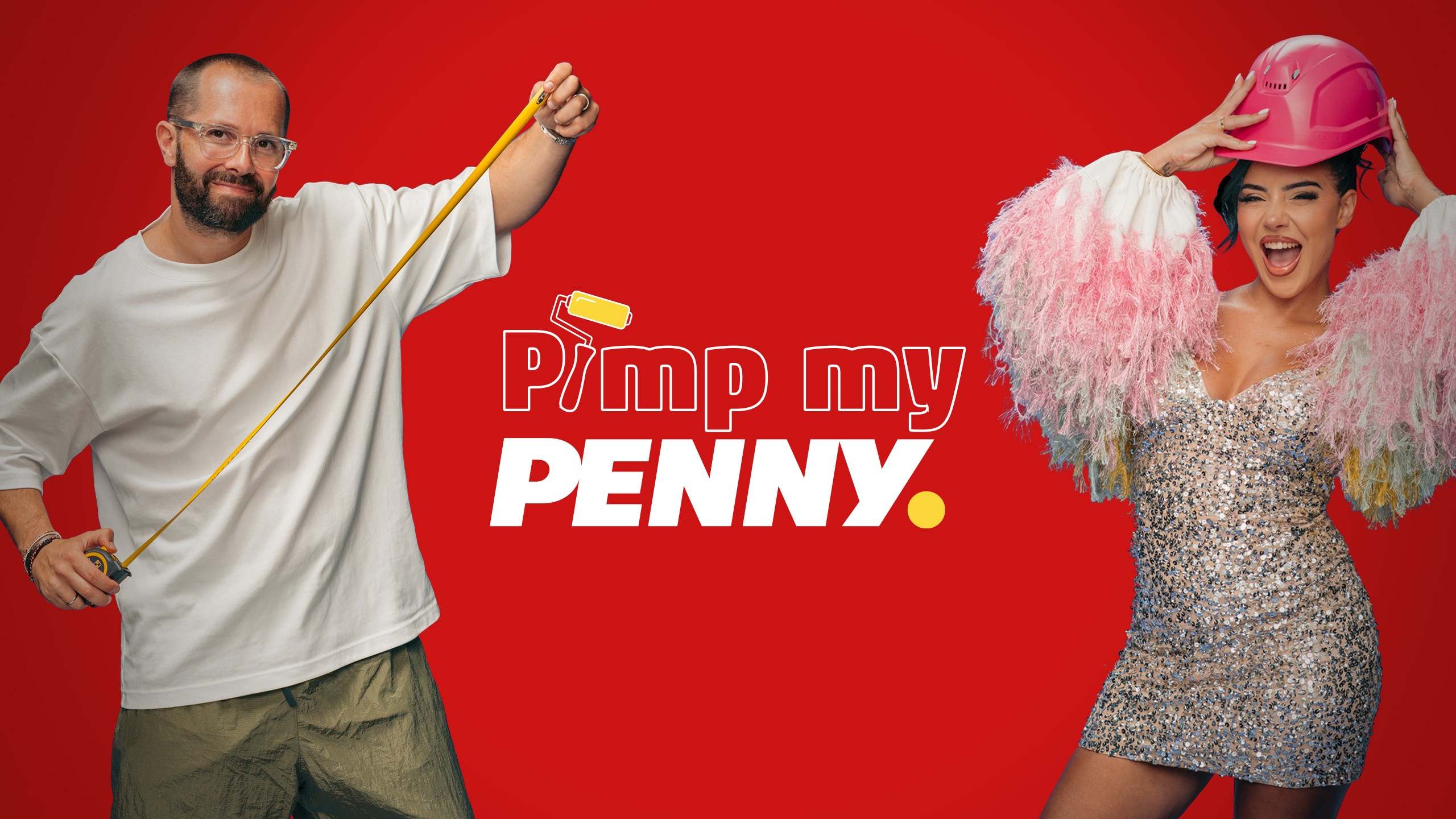
On September 29 at 5 p.m., the first episode of the YouTube series “Pimp my PENNY” launched. It follows reality star Leyla Heiter as she remodels her Penny store in Frankfurt, the “Leylaland” – with chandeliers, golden palm trees and a gold statue of herself. What looks like a contradiction for a discounter is none: the glamour is not the opposite of the price promise but its punchline – and that punchline is on the receipt, because prices stay as usual. While Aldi and Lidl recently staged a highly publicized price war over value for money, Penny sets an emotional accent and focuses on the feeling of shopping: those who shop here do not want to shop (just) cheaply, but smartly and with lifestyle. “Luxury for everyone. You don’t have to be rich to feel rich,” says the first episode. Leyla Heiter wants to convey “that you walk in, you think you’re in the most over-the-top luxury supermarket, and then at the register it turns out to be cheap after all.”
For marketing expert and keynote speaker Thomas Daamen, whose talk on brand leadership and brand strategy of Love Brands, “Together – From Zero to Love Brand,” begins exactly here, this is brand leadership in the best sense: the step from price argument to emotional benefit – and with it the core of every Love Brand. “In these stores, Penny does not sell price but, alongside the influencers’ lifestyle, the feeling of treating yourself without paying more,” says Daamen. People who like to save do not give up enjoyment; they look for it in small things. Daamen helped shape something similar at Aperol: the brand made the Italian way of life suitable for everyday use, without elitist pretensions. According to Penny, the YouTube idea came first and the remodel followed. The filming location is thus permanently a place to buy: those who watch the series can also walk in and shop there.
What is remarkable is whom Penny is addressing with this. For many younger people Leyla Heiter is a star, while older people know her less – the first episode even plays with this, as Penny employees at first cannot place the name of the announced “icon.” For Daamen this is no oversight but brand strategy: Penny is not courting today’s customers but tomorrow’s. Those who shop on their own for the first time form habits that often last for years, says Daamen. The channel fits: according to the Social Media Atlas 2025 , 56 percent of 16- to 29-year-olds have already been inspired to buy on YouTube. Whether young viewers become loyal customers, however, is decided not in a few flagship stores but in the everyday life of the remaining branches.
“Store loyalty does not begin at the shelf but with the question of which store the first personal shopping list is carried to,” Daamen sums it up.
Photo credit: PENNY Markt GmbH / Photographers: Fabienne Kathmann, Jakob Stolz
This article also appeared on openPR .
About Thomas Daamen
Thomas Daamen is a keynote speaker from Munich and a Marketing Director with more than 20 years of experience in marketing and sales, including several years in a leading role for Aperol. He speaks at annual kickoffs, sales conferences, leadership events and customer events about how to understand customers, decide boldly and win teams over for a brand – told through Love Brands.
More Love Brand Insights
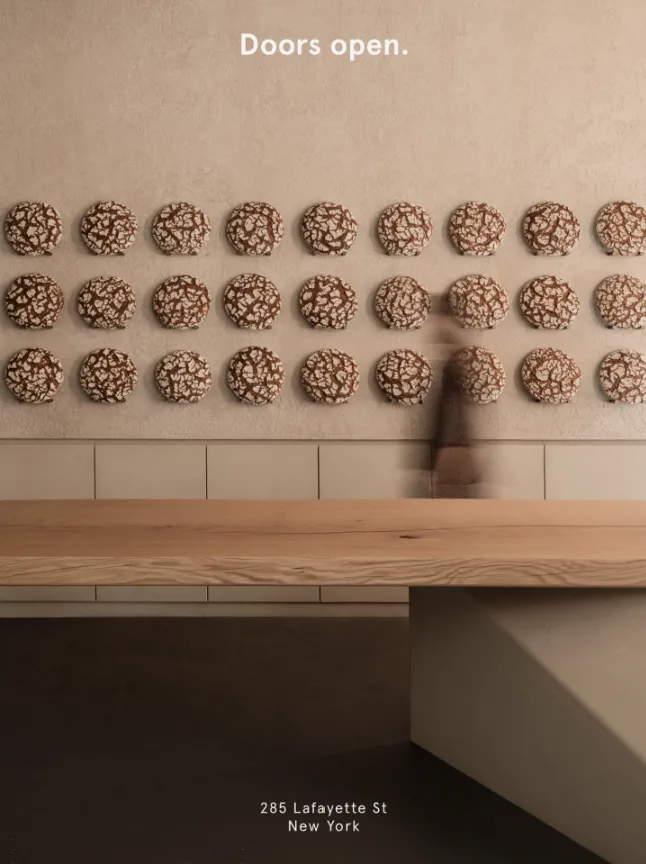 $60 or $3.99? Two brands that understood their customers
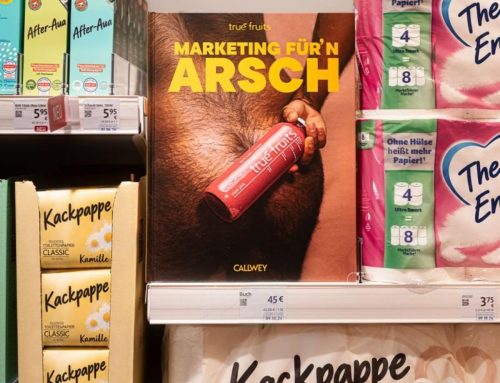
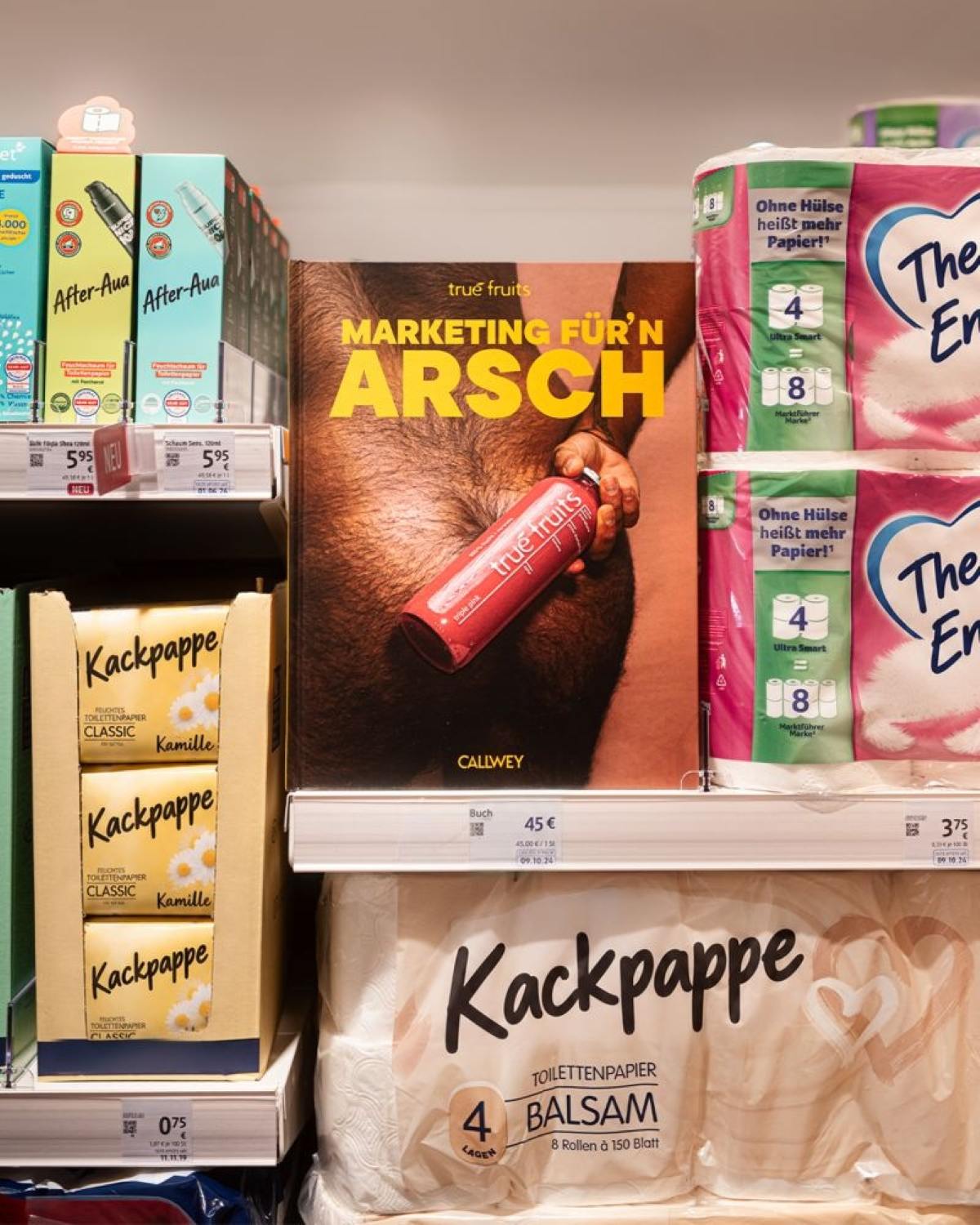
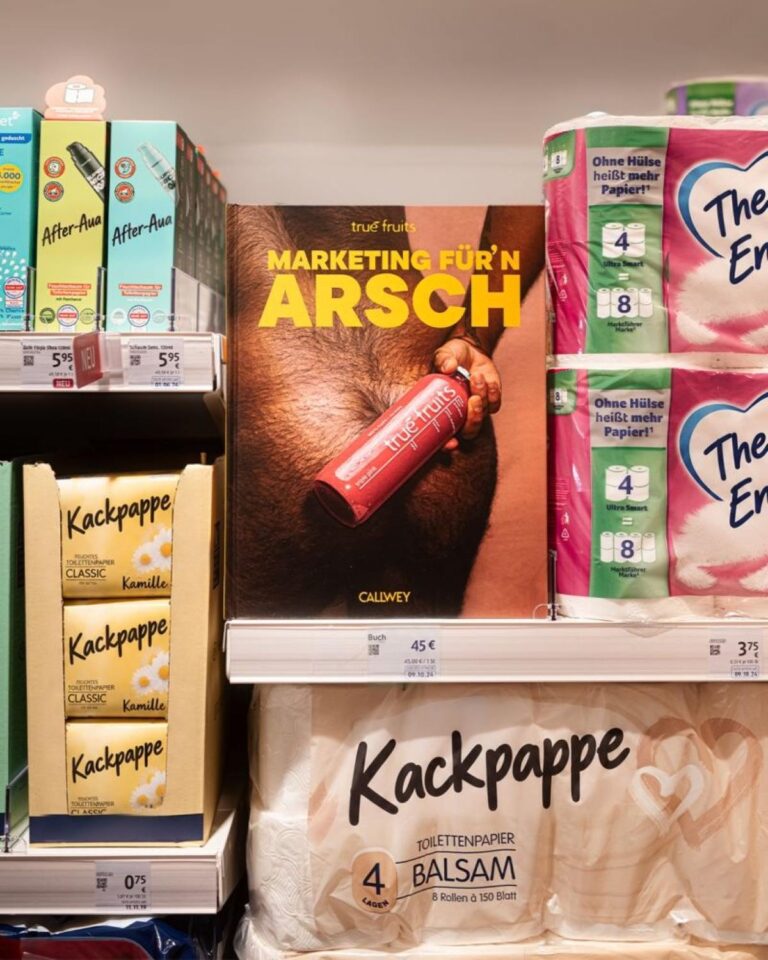 Marketing für’n Arsch? What true fruits Reveals About Real Love Brands
 Attitude beats content – for voices and brands alike
 Rufus & the Premium Brands Week: The “Personal Assistant” Becomes a Digital Bouncer
 From Stream to Shelf: How the Iconic Square Makes Music Tangible Again
 Secondhand Love or Strategic Surrender? Sustainability as the New Currency for Love Brands
 Addiction or Longing? Real Brand Strength Needs No Neurological Traps
 Knighted by Theft: When a Truckload of Hand Soap Proves Brand Value
 Why Real Winners Don’t Bet on Safety — but on Deciding
 Why “Melania” Is a Lesson in Strategic Marketing
Told live: to Thomas Daamen’s keynotes