04.02.2026
The film “Melania” is not a documentary but a strategic brand asset. Melania Trump is not told as a personality but positioned as a controlled high-status brand – distant, composed, consistent. The film was released at this particular time deliberately to complement the overall Trump brand – and not to generate broad approval, achieve commercial success or provide deep insights into the First Lady’s personality. Had it been a documentary about Melania Trump, the filmmakers would have chosen a much longer period. Instead, the film focuses on the 20 days before her husband’s inauguration.
In fact, it is about something bigger: the deliberate steering of the perception of the overall Trump brand. In the U.S. this has a tradition – the First Lady reflects back on the perception of the president. The film’s aim is to write and control the narrative and to add facets to the Trump brand that Donald himself cannot deliver: calm instead of loudness, elegance instead of confrontation, formalized presence instead of permanent reaction. In this context, the limited box office result is not a failure but part of the calculation. The brand becomes more complete – and through its complementary aspects creates a new projection surface that generates motivation not through loudness but through stance. A logic that reaches far beyond politics.
This logic of deliberately steering perception, decision and stance is not limited to political brands but directly transferable to companies. This is exactly where the talk on success, change, resilience and motivation, “What a Love Brand Has to Do with Your Life,” by keynote speaker Thomas Daamen comes in. Under the guiding theme of change and motivation, he shows why successful change does not arise from busyness but from clarity, stance and the ability to accept failure as part of development. Daamen connects brand strategy with organizational reality and makes clear that success, resilience, flexibility and lightness are not opposites but reinforce each other. Change succeeds when people are motivated to make decisions and use uncertainty constructively. The talk transfers the central insight from the film “Melania” to companies: those who do not actively shape their narrative are defined by external factors – and in the long run lose motivation and orientation.
Successful brands are distinguished not only by clear narratives but above all by their resilience in dealing with public expectation, criticism and change. The film “Melania” shows that deliberately used distance is not a disadvantage but a stability factor. By complementing the overall Trump brand with a form of distance that signals high status and exclusivity, the First Lady creates a counterweight to the president’s permanent visibility and reactive dynamics. This form of distance protects the brand from overinterpretation and short-term shifts in mood. The staging follows less the logic of modern celebrities than that of royals: closeness is not a goal but an exception; meaning arises through stance, not through constant explanation. For brands this means: resilience arises not through maximum approachability but through the ability to strategically balance closeness and distance, preserve identity and set boundaries.
Photo credit: Markus Winkler
This article also appeared on openPR .
About Thomas Daamen
Thomas Daamen is a keynote speaker from Munich and a Marketing Director with more than 20 years of experience in marketing and sales, including several years in a leading role for Aperol. He speaks at annual kickoffs, sales conferences, leadership events and customer events about how to understand customers, decide boldly and win teams over for a brand – told through Love Brands.
More Love Brand Insights
 “Pimp my Penny”: The punchline is printed on the receipt
 $60 or $3.99? Two brands that understood their customers
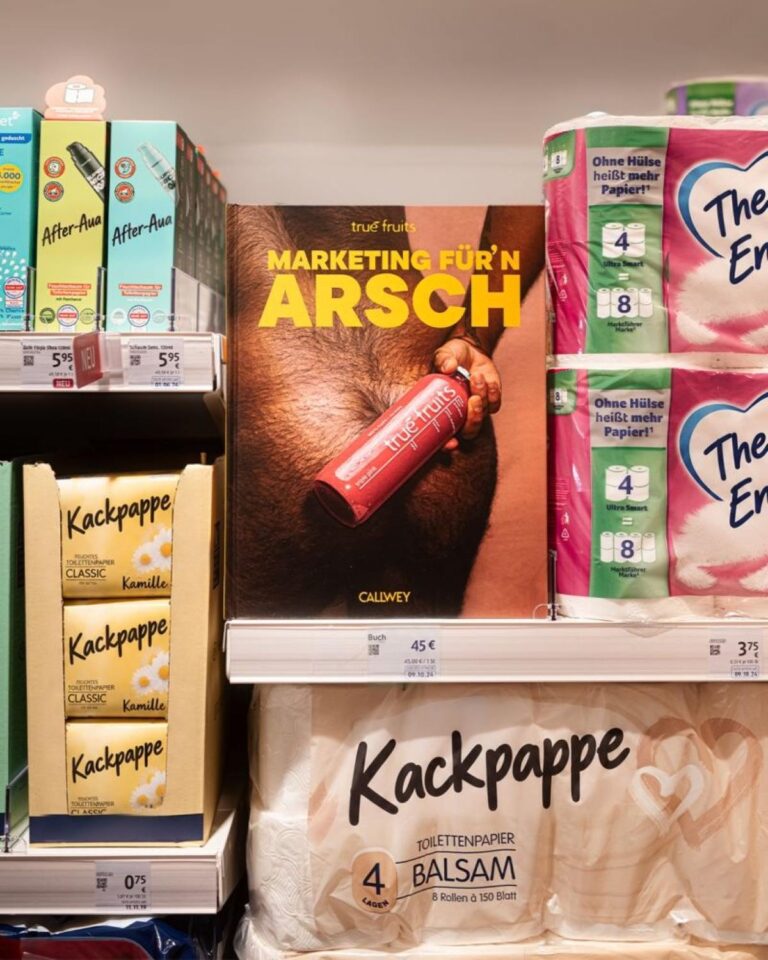 Marketing für’n Arsch? What true fruits Reveals About Real Love Brands
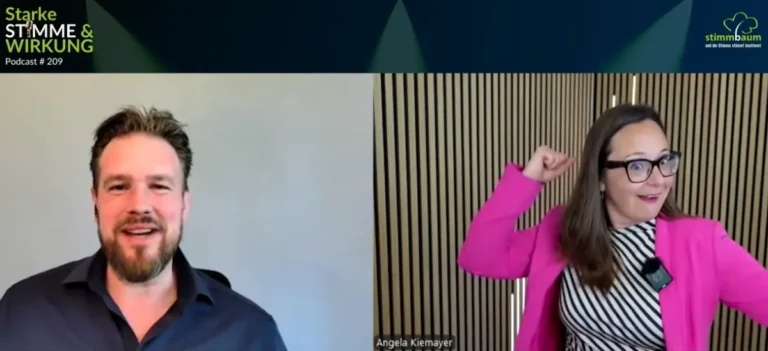 Attitude beats content – for voices and brands alike
 Rufus & the Premium Brands Week: The “Personal Assistant” Becomes a Digital Bouncer
 From Stream to Shelf: How the Iconic Square Makes Music Tangible Again
 Secondhand Love or Strategic Surrender? Sustainability as the New Currency for Love Brands
 Addiction or Longing? Real Brand Strength Needs No Neurological Traps
 Knighted by Theft: When a Truckload of Hand Soap Proves Brand Value
 Why Real Winners Don’t Bet on Safety — but on Deciding
Told live: to Thomas Daamen’s keynotes