07.03.2026
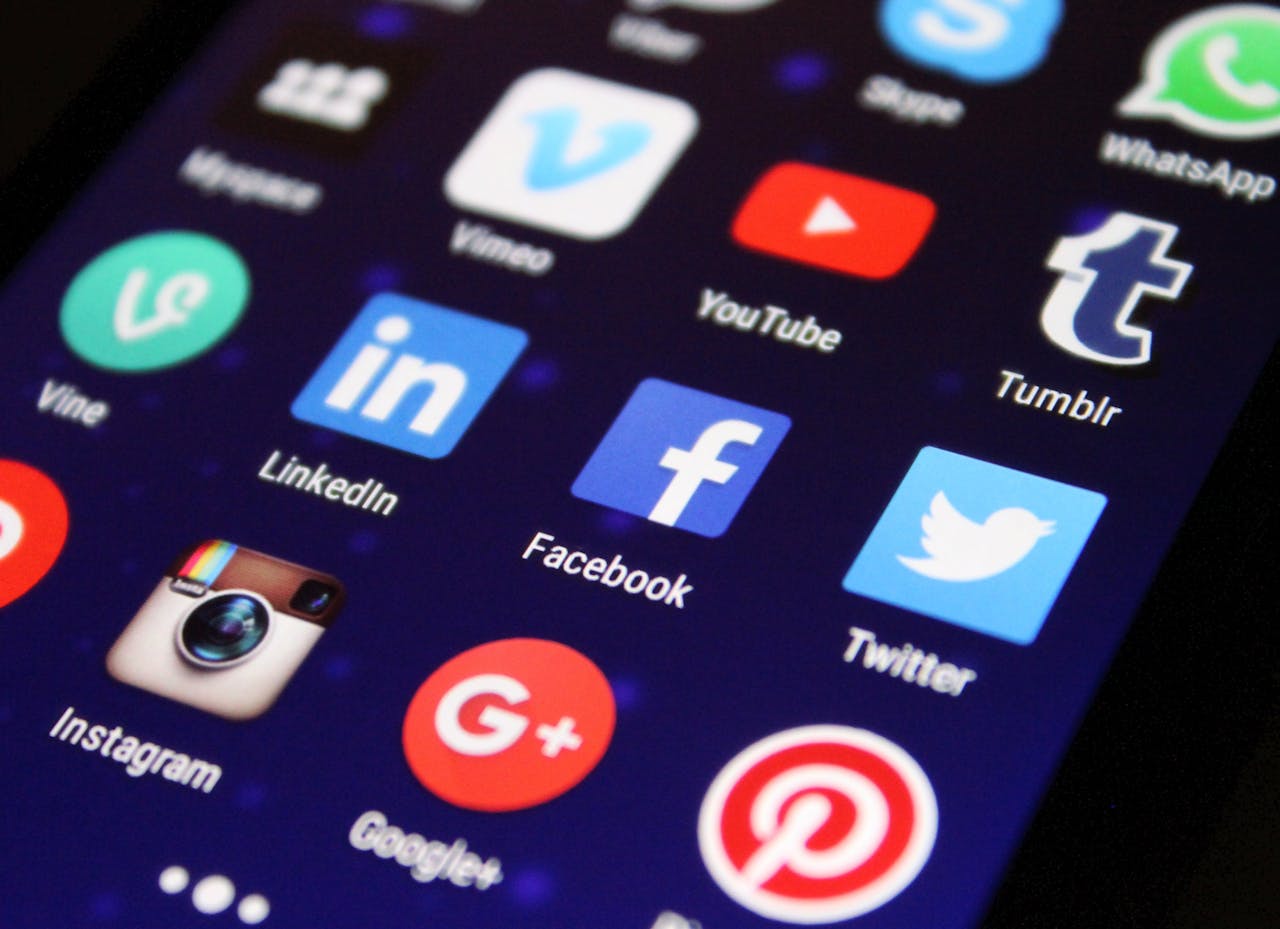
The trial against Mark Zuckerberg and Google in Los Angeles has meanwhile reached a new dimension: Zuckerberg himself had to testify for several hours in court and rejected the accusation that his platforms were deliberately designed around addiction mechanics. At the same time, he conceded that increasing time spent had long been a central engagement metric. It puts a question at the center that concerns every modern brand leader: where does the legitimate sparking of enthusiasm end and manipulative compulsion begin? While the tech giants have to defend themselves in court against the accusation of deliberately addictive design, a deep crack in the foundation of their brand leadership becomes apparent.
The explosive nature lies in the radical contrast of strategies. The charges read like a catalog of breach of trust: the companies are accused of deliberately deploying features such as “infinite scroll” (Meta) or “autoplay” (Google) to switch off human impulse control. Particularly serious is the allegation that internal studies on the psychological risks for teenagers were ignored so as not to endanger the companies’ own growth. It is an attempt to bind consumers not through relevance but to keep them captive through neurological traps.
In his talk on customer understanding, emotional customer experience and brand strategy of Love Brands, “Together – From Zero to Love Brand,” keynote speaker Thomas Daamen examines exactly these fault lines. He makes clear that the path to a Love Brand is not the result of technical overpowering but a strategic decision for profound reliability and human relevance. While the tech giants try to force loyalty through algorithms, Thomas Daamen shows why a brand survives in the long term only if it treats its customers’ trust as an untouchable asset. Emotional customer experience must not be confused with psychological conditioning.
According to Daamen, only one conclusion can be drawn from this: a healthy brand acts as a committed partner that leaves customers the freedom to enjoy consumption as an enriching moment – like the mindful sip of a Coca-Cola or the orange zest for life of an Aperol. True brand strength, however, cannot be forced through psychological overpowering. When the consumer’s autonomy falls victim to profit, the brand loses its most important currency – integrity.
A true emotional customer experience is an invitation, not a prison. While manipulative platform mechanics try to force attention, lasting brand loyalty rests on a different principle: not compulsion creates loyalty, but trust. Speaker Thomas Daamen emphasizes: “A healthy brand experience is like a good drink with friends – a moment of voluntary enjoyment.” Those who use algorithms to force dependency imitate emotions but destroy the soul of the brand. True Love Brands do not have to hold on to their customers; they inspire them so much that they want to stay on their own.
Photo credit: Pixabay (CC0)
This article also appeared on openPR .
About Thomas Daamen
Thomas Daamen is a keynote speaker from Munich and a Marketing Director with more than 20 years of experience in marketing and sales, including several years in a leading role for Aperol. He speaks at annual kickoffs, sales conferences, leadership events and customer events about how to understand customers, decide boldly and win teams over for a brand – told through Love Brands.
More Love Brand Insights
 “Pimp my Penny”: The punchline is printed on the receipt
 $60 or $3.99? Two brands that understood their customers
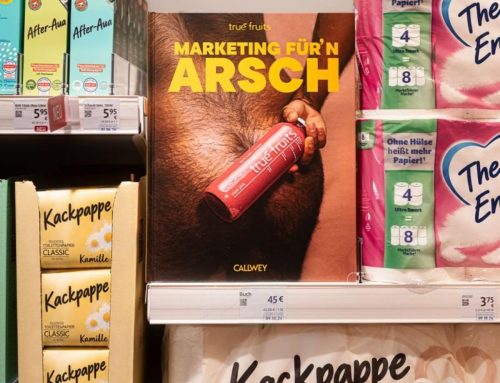
 Marketing für’n Arsch? What true fruits Reveals About Real Love Brands
 Attitude beats content – for voices and brands alike
 Rufus & the Premium Brands Week: The “Personal Assistant” Becomes a Digital Bouncer
 From Stream to Shelf: How the Iconic Square Makes Music Tangible Again
 Secondhand Love or Strategic Surrender? Sustainability as the New Currency for Love Brands
 Knighted by Theft: When a Truckload of Hand Soap Proves Brand Value
 Why Real Winners Don’t Bet on Safety — but on Deciding
 Why “Melania” Is a Lesson in Strategic Marketing
Told live: to Thomas Daamen’s keynotes