02.11.2026
“I do not believe anymore in love” – says, of all people, the chief marketer of Coca-Cola, the brand that for two decades made brand love the central metric of its marketing. Manolo Arroyo is not giving up on love, but on the love of those who never drink. Millions of people insist they love Coca-Cola. They proudly wear the T-shirt. And never reach for the bottle. That is why Coca-Cola now counts its “total consumer base”: the people who actually drink. Love, says Arroyo, “follows the behavior.”
Marketing expert and keynote speaker Thomas Daamen, whose talk “Together – From Zero to Love Brand” covers brand leadership and brand strategy of Love Brands at annual kickoffs and kick-off events, puts it in a nutshell: love is made not on the billboard but in the glass. Communication creates an expectation. Recommendations and stories from friends reinforce it. It is only fulfilled in the moment of consumption. And there, the bond does not form all at once but again and again: every moment in which the brand keeps its promise deepens the relationship and leads to the next. “A Love Brand is not built on theory but on repeated experience,” says Daamen. Those who never consume are enthusiastic about an idea. Daamen knows the pattern from concept tests: ideas that consumers find wonderful and that nobody buys anyway. Love Brands are brands that people don’t just buy, but love. Without the purchase, a beloved brand remains an art project in a corporate context – an insight that belongs at every sales conference. That is why Arroyo hits the mark with consumption occasions: whoever deliberately claims Halloween for Fanta creates the moments in which a brand has to prove itself.
Aperol led the way. Daamen helped shape the brand for several years in a position of responsibility. The love did not come from a campaign alone, but from the aperitivo moment: people come together and find an expectation fulfilled that images, recommendations and stories had raised. The repeated moment became a ritual. Marketing science backs the behavioral side: the Ehrenberg-Bass Institute shows, based on decades of purchase data, that brands only grow sustainably when their buyer base grows. For Daamen, the two belong together: communication builds the promise. The moment of consumption delivers on it. And only the people who actually consume turn affection into a Love Brand.
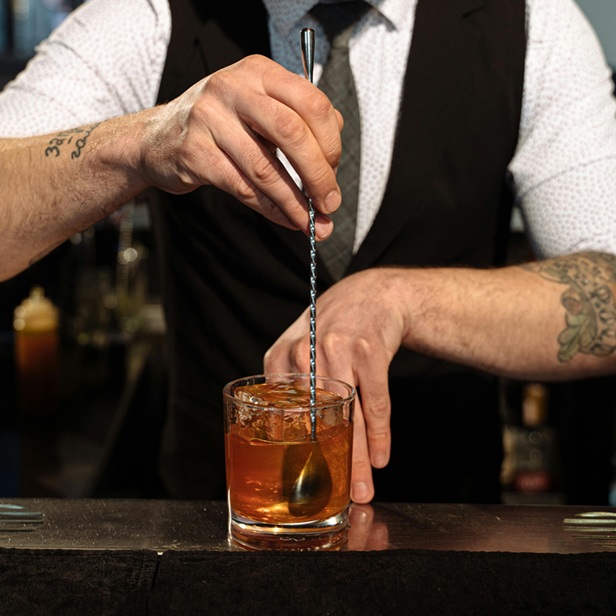
“A brand is not loved because it promises something, but because it delivers it in the glass,” says Daamen.
Image credit: Photo: Vitaly Gariev / Unsplash
This article also appeared on openPR .
About Thomas Daamen
Thomas Daamen is a marketing expert and keynote speaker from Munich. For more than 20 years he has led and sold brands in the consumer goods industry, from 2017 to 2021 as Marketing Director of Campari Germany, responsible for Aperol, among other brands. His topic is Love Brand Building: how a brand becomes one that people don’t just buy, but love. He speaks about this at annual kickoffs, sales conferences and leadership events – and about what motivates teams for a brand.
More Love Brand Insights
 Aldi Süd and the Monsters: Simplicity Is Honesty
 “Wer hat’s erfunden?”: Ricola Reclaims Its Brand Capital
 “Pimp my Penny”: The punchline is printed on the receipt
 $60 or $3.99? Two brands that understood their customers
 Marketing für’n Arsch? What true fruits Reveals About Real Love Brands
 Attitude beats content – for voices and brands alike
 Rufus & the Premium Brands Week: The “Personal Assistant” Becomes a Digital Bouncer
 From Stream to Shelf: How the Iconic Square Makes Music Tangible Again
 Secondhand Love or Strategic Surrender? Sustainability as the New Currency for Love Brands
 Addiction or Longing? Real Brand Strength Needs No Neurological Traps
 Knighted by Theft: When a Truckload of Hand Soap Proves Brand Value
 Why Real Winners Don’t Bet on Safety — but on Deciding
 Why “Melania” Is a Lesson in Strategic Marketing
Told live: to Thomas Daamen’s keynotes